




10 Benefits of Wool Pellets for Gardening
A Natural Soil Booster Backed by Research
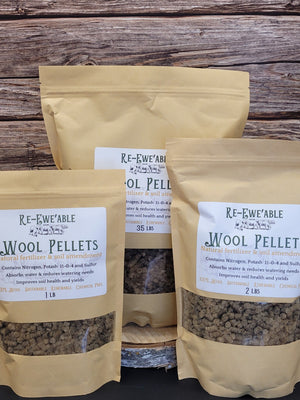
Wool pellets may be small, but they provide a surprising number of benefits for plants and soil. Made from compressed sheep wool, these pellets work as a slow-release fertilizer, moisture reservoir, and soil conditioner all at once.
Here are ten reasons gardeners are discovering the value of wool pellets.
1. Slow-Release Natural Nitrogen
Sheep wool naturally contains about 11–12% nitrogen, one of the most important nutrients plants need for healthy growth. As wool breaks down in the soil, microbes slowly release nitrogen over time, feeding plants gradually.
2. Improves Soil Moisture Retention
Wool fibers can absorb many times their weight in water. When mixed into soil, wool pellets help retain moisture near plant roots and release it slowly as soil dries.
This helps plants stay hydrated longer between watering.
3. Reduces Watering Needs
Because wool holds moisture so effectively, gardeners often find they can water less frequently, especially in containers and raised beds where soil tends to dry out quickly.
4. Improves Soil Structure
As wool pellets break down, they add organic matter to the soil. This helps create a lighter, more porous soil structure that allows roots, water, and air to move more freely.
Healthy soil structure encourages stronger root growth.
5. Supports Soil Microorganisms
Wool pellets provide organic material that feeds beneficial soil microbes. These microorganisms play an important role in nutrient cycling and soil fertility.
Healthy soil life leads to healthier plants.
6. Provides Long-Lasting Benefits
Unlike quick-release fertilizers, wool decomposes slowly and can continue improving soil for one to two years. This long lifespan means the benefits continue throughout multiple growing seasons.
7. Helps Plants Handle Dry Conditions
Because wool holds moisture near the root zone, it can help plants stay healthier during periods of heat or drought. This is especially helpful in container gardening.
8. May Help Deter Slugs and Snails
Many gardeners use wool pellets around plants as a protective barrier. The rough fibers can discourage soft-bodied pests like slugs from crossing the surface.
9. Reduces Agricultural Waste
Much of the wool produced during sheep shearing is not suitable for textiles. Turning wool into garden pellets gives this natural fiber a second life and keeps valuable nutrients out of landfills.
10. Supports Sustainable Gardening
Wool pellets offer a natural alternative to synthetic fertilizers while improving soil health at the same time. For gardeners looking to reduce chemical inputs and build healthier soil, wool pellets are a simple and effective solution.
Small Pellets, Big Impact
From improving soil structure to helping plants retain moisture, wool pellets offer a surprisingly wide range of benefits for gardeners.
They’re a simple way to return nutrients from the pasture back to the soil — creating a natural cycle that supports healthier plants, stronger soil, and more sustainable gardens.