


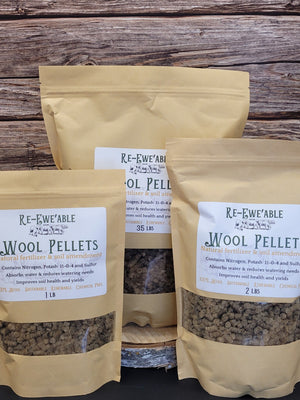


Using wool pellets in seed starting is a clever little trick. They act like tiny sponges and slow feeders, helping seedlings stay evenly moist while getting a gentle nutrient boost. 🌱🐑
🌱 How to Use Wool Pellets for Seed Starting
1. Mix Into Seed Starting Soil
For trays or small pots, crush or break the pellets slightly so they distribute more evenly.
Suggested mix:
- Seed starting mix
- A small handful of crushed wool pellets
A good rule is about 5–10% wool pellets by volume in the soil mix.
This helps:
• retain moisture
• slowly feed seedlings
• improve soil structure
2. Place Pellets at the Bottom of Pots
For larger seed-starting containers:
- Add a thin layer of wool pellets at the bottom of the pot.
- Cover with seed starting mix.
- Plant seeds as usual.
As you water, the pellets absorb moisture and release it slowly back into the soil.
3. Crush Pellets for Small Seeds
For delicate seedlings (lettuce, herbs, flowers):
• Lightly crush pellets into small fibers
• Mix gently into the soil
This keeps the soil light and airy while still providing moisture support.
🌿 Benefits for Seedlings
Moisture Stability
Wool holds water and releases it slowly, helping prevent soil from drying out too quickly.
Gentle Nutrient Release
Wool contains natural nitrogen that becomes available slowly as microbes break it down.
Better Root Development
The fibers create small air pockets that encourage strong root growth.
Less Frequent Watering
Especially helpful for indoor seed trays that dry out fast.
🌼 Best Plants to Start with Wool Pellets
They work especially well for:
• Tomatoes
• Peppers
• Herbs
• Cucumbers
• Squash
• Flower seedlings
🌾 A Simple Tip
Don’t overdo it. Seedlings prefer light, airy soil, so wool pellets should be a small addition rather than the main ingredient.
Think of them as tiny reservoirs of moisture and nutrients tucked into the soil.